




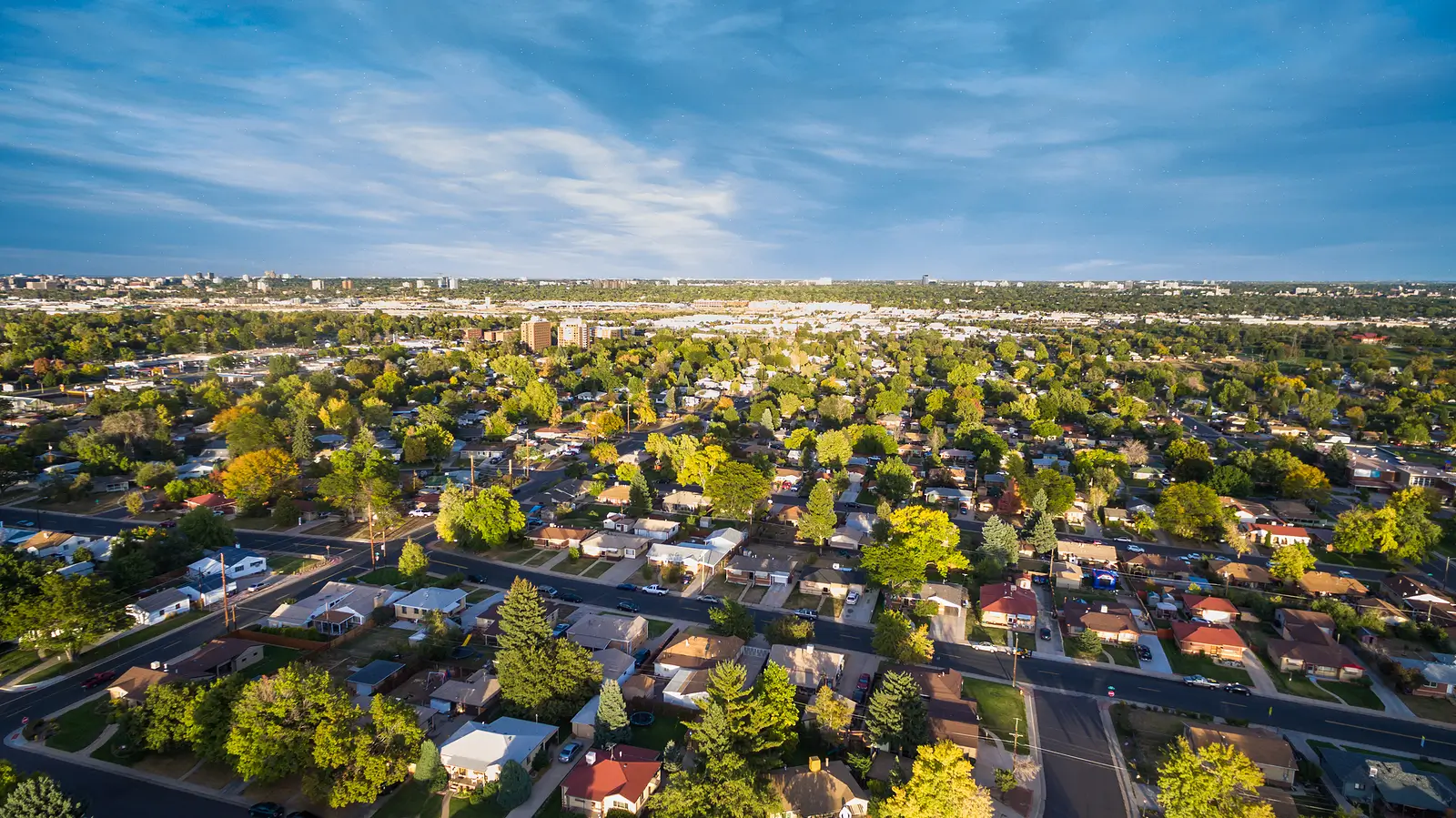
The city of Jacksonville, FL, is on the rise literally. As one of the largest cities in Florida by both area and population, Jacksonville has seen steady growth fueled by migration patterns, affordability, and economic opportunity. With an increasing number of people moving in each year, both renters and real estate investors are watching the rental market closely.
Before we dive into what this means for you, whether you’re a landlord, tenant, or investor, let’s take a look at a few key takeaways.
Key Takeaways:
- Jacksonville’s population growth is driving increasing demand for rental properties.
- The city’s affordable neighborhoods still offer value, though rent prices have risen compared to the previous year.
- Market trends show a healthy balance of new construction and occupancy, keeping vacancies relatively low.
- Investors can benefit from Jacksonville’s good schools, job market, and growing development opportunities.
- Understanding housing market data and migration patterns helps make informed decisions in today’s market.
A City on the Move: Jacksonville’s Rapid Growth Story
Jacksonville’s growth isn’t just a fluke; it’s the result of long-term market trends and smart local development. According to the U.S. Census Bureau, the city has seen consistent population growth over the past year, with thousands of new residents choosing Jacksonville as their next move.
Why? The cost of living in Jacksonville is 8.4% lower than the national average, making it one of the most affordable places to live in Florida. Compared to the national average rent of $1,631, the average rent in Jacksonville is just around $1,285. That’s a significant savings, especially when you consider how much value and amenities the city offers.
This growth, however, has ripple effects. As migration patterns shift, demand for rental properties increases, putting pressure on inventory and slightly raising rent prices, a trend that’s expected to continue through the next year.
Demand vs. Supply: The Tug of War in Jacksonville’s Housing Market
With increasing demand comes a natural tightening of supply. The housing market in Jacksonville reflects this balance between renters seeking affordable neighborhoods and landlords trying to meet rising expenses.
Roughly 43% of households in Jacksonville are renter-occupied, and with steady job growth and a low unemployment rate, the rental market remains active. Areas like San Marco and Riverside, known for larger homes and charming houses, appeal to buyers and tenants seeking higher-end property types. Meanwhile, the most affordable neighborhoods, such as Confederate Point, Hyde Park, and Turtle Creek Village, remain attractive to renters on a budget.
These neighborhoods offer affordable one- and two-bedroom apartments. Rent usually ranges from $960 to $1,025 per month. You get great location and amenities without breaking the budget.
On the flip side, expensive neighborhoods like San Marco and Deerwood command higher prices due to larger homes, good schools, and easy access to major business districts. This contrast gives landlords some negotiating power depending on their property’s location.
Market Trends and New Construction: What’s Changing in Today’s Market
Jacksonville’s market trends have been shaped by steady development and new construction projects. Over the past few years, the city has experienced a surge in apartments and houses being built to meet increasing demand. Many of these developments are concentrated in areas near good schools, business hubs, and entertainment centers, key factors that influence rental value.
For landlords, this growth can be a double-edged sword. While new construction expands the inventory, it can also increase competition. Keeping rental properties in top condition and ensuring you screen tenants carefully are crucial steps to maintaining low vacancy rates.
For investors, Jacksonville’s rising population and stable unemployment rate make it a good place to invest in both single-family houses and multifamily apartments. Whether you’re targeting affordable neighborhoods for long-term stability or expensive neighborhoods for higher yields, understanding market data and trends will help you make informed decisions.
The Cost of Living Advantage: Why Jacksonville Attracts Renters and Buyers
Compared to many other FL cities, Jacksonville offers a strong combination of affordability and quality of life. The cost of rent and everyday expenses remains manageable, attracting renters who are relocating from higher-priced areas like Miami, Orlando, or Tampa.
This affordability extends beyond rent prices. Residents enjoy a relatively low cost for groceries, transportation, and utilities. When you add in good schools and the city’s reputation for safety and community, it’s easy to see why so many people view Jacksonville as a good place to live.
For buyers, the housing market also presents opportunities. Even as prices rise slightly, the overall value of property in Jacksonville remains appealing. Those investing now are likely to benefit from future growth and development.
Challenges in a Growing Market
Of course, no market is without its challenges. While increasing demand is great for landlords, it can lead to tighter inventory and more competition for rentals. For tenants, this might mean acting faster when a great apartment becomes available or being open to exploring new neighborhoods.
Meanwhile, landlords face higher expenses from property maintenance to taxes, which can impact profit margins. That’s why working with an experienced property management company is essential to balance profitability with tenant satisfaction.
Keeping vacancy rates low, properly screening tenants, and maintaining compliance with local housing market regulations are all part of operating successfully in today’s market.
FAQs: Jacksonville’s Rental Market Explained
1. Why is Jacksonville’s rental market growing so quickly?
Migration patterns, strong job opportunities, and affordable living costs drive Jacksonville’s growth. As more people move here for good schools and jobs, demand for rental properties continues to increase.
2. How do Jacksonville’s rent prices compare to the national average?
Jacksonville’s average rent of about $1,285 is roughly 21% lower than the national average of $1,631. This affordability attracts both renters and buyers looking for value.
3. What are the most affordable neighborhoods in Jacksonville?
Confederate Point, Turtle Creek Village, and Hyde Park are among the most affordable neighborhoods, with average rent prices between $960 and $1,025 per month.
4. Are new apartments being built in Jacksonville?
Yes. New construction has expanded rapidly in recent years, especially in areas near good schools and growing business districts. This development is helping balance inventory with demand.
5. What should landlords focus on in today’s market?
Landlords should prioritize keeping properties in great condition, offering competitive prices, and working with professionals who can screen tenants, manage maintenance, and reduce vacancy rates.
Your Next Move: Partner with Jacksonville’s Rental Experts
As Jacksonville continues to evolve, staying ahead of market trends and rising demand is essential whether you’re a landlord, investor, or tenant. The population growth shows no signs of slowing, and the rental market will remain a central piece of the city’s future.
At Round Table Property Management, we help clients navigate today’s market with expertise and care. From tenant screening to full-service management, our team ensures your property reaches its full value potential.
If you’re ready to make your next move in the Jacksonville housing market, explore our services or schedule a free consultation today. Let’s turn your investment into an opportunity because Jacksonville’s future is growing, and so can yours.